

There’s a version of financial planning most parenting articles talk about: save early, build a budget, write a will. And then there’s the version most families raising children with disabilities are actually living, where ABLE accounts, special needs trusts, and estate planning sit alongside eligibility rules, policies that change underneath you, and a future filled with those big, looming questions: Who steps in when I can’t? How do I save without losing access to benefits? What will my child need that no one’s written down yet?
This week, we’re carving out time to take a real look at financial planning essentials for families like ours.
“If this feels complicated, that’s because it is complicated. Establishing a backup plan to make sure the right tools are in place is not an easy thing to do — because your life IS complicated. When you are the person others are depending on, however, you owe it to these people to make sure they remain cared for in the best way possible if you weren’t here to do it. For those of us who have children with complex needs, we know (likely better than most) that human life is so fragile and unpredictable. Do this for the people in your life who are counting on you. Do it for yourself. No matter what drives you — take this information and get it done.” — Brianna Davidson Jarrett, Maryland Assistant Attorney General and mother of a child with disabilities

ABLE accounts and special needs trusts
Planning for your child’s future and protecting benefits? Yes, both are possible. Enter ABLE accounts and special needs trusts. We’re breaking down ABLE accounts, trusts (including pooled and third-party), choosing a trustee and guardian, letters of intent, funding strategies, and how to get started now (not later). Read more about financial planning.

Estate planning
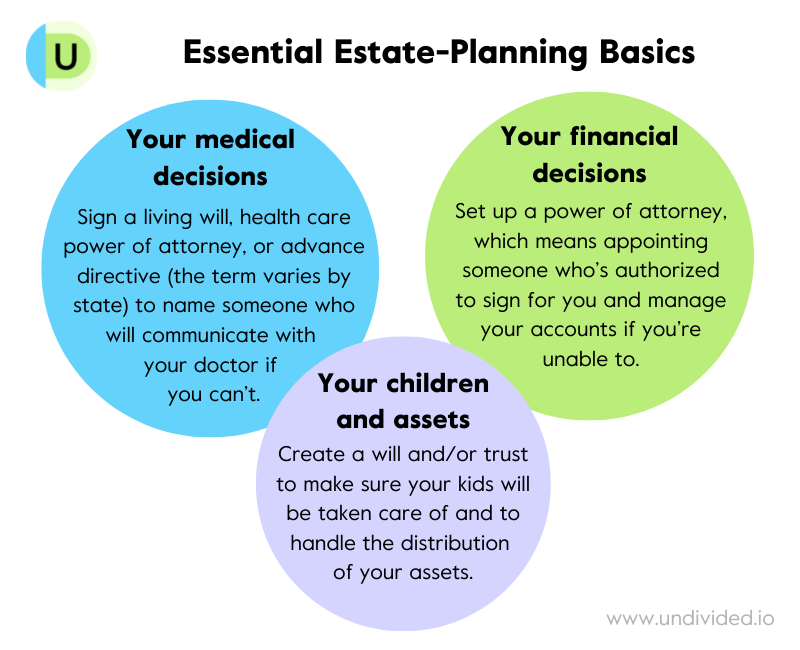
Estate planning can feel overwhelming, and easy to put off. We’re here to cover what you need to know before you meet with an estate planner, including three main pieces of estate planning— medical decisions, financial decisions, and distributing assets — plus what’s different when you’re planning for a child with disabilities. Read more about estate planning basics.
SSDI family benefits
Did you know your child could qualify for Social Security benefits based on a parent’s work history? If a parent or guardian gets SSDI — or has passed away with enough work history — your minor children may be eligible for dependent or survivor benefits worth up to half (or more) of that benefit. And for a child with a disability, these benefits can continue into adulthood under disabled adult child benefits (DAC). Read more about SSDI.
Budgeting basics
Short-term goals, long-term goals — finances can feel like one more thing competing for attention in a life that’s already full, but one small habit can be enough to keep things on track. One parent describes her monthly routine: she lists income coming in, tracks expenses going out, and then buckets whatever’s left for birthdays, holidays, vacations, and the never-ending school supply list. “This exercise is annoying. I hate doing it,” she admits, but it works for her. “Do what works for you.” Read more about budgeting.
Numbers to note: $100,000
In many states, ABLE account balances are capped at $100K before they start affecting benefits like Medicaid. California is different: CalABLE accounts can grow up to $529,000 before affecting Medi-Cal eligibility — though balances over $100,000 can still impact SSI and other government benefits. Special needs trusts, on the other hand, have no funding limit at all. Find out more about ABLE accounts.
Hot topics → Medi-Cal assets limits
What’s happening with Medi-Cal asset limits — and what should families be paying attention to right now? As of January 1, 2026, the Medi-Cal asset limit is $130,000 for an individual or $195,000 for a married couple. A proposal passed by the California Assembly would cut that to $21,000 for one person starting July 1, 2027 — we’ll know if it becomes official by July 1, 2026. Learn more and follow this developing story here. (Psst…remember that ABLE accounts and special needs trusts let you save without being subject to the Medi-Cal asset limit.)

Office hours
Do you have questions about public benefits programs in California like Regional Center, Medi-Cal, IHSS, or SSI? Join us on Wednesday, July 1, 12:00 p.m. PT for office hours with Lisa Concoff Kronbeck, Undivided’s public benefits specialist, for a live Q&A. Office hours Zoom sessions are open to Undivided members only, so if you’re not a member yet, get started here to join us for office hours every week. If you’re not a member, sign up here to participate→
Undivided Conversations
Saturday, June 27, 10:00 a.m. PT → CalABLE: Essentials and Why It Matters. Looking to save for your child’s future without affecting their eligibility for government programs? We revisit this conversation with CalABLE Outreach Specialist Madeline Handy and look closer at how parents of kids with disabilities can use this program to help provide for our children’s care. Streaming on Facebook and YouTube.

 Does experience with disability matter when you’re looking for an estate planning attorney? Hear from Brianna Davidson Jarrett, Maryland Assistant Attorney General, on our YouTube channel→
 This week in our private Facebook group for parents: neurofeedback funding, disability language, outpatient programs, and more. Join the discussion→
 Exciting updates coming from Undivided’s Andy AI: soon, you’ll be able to use Andy to help you find providers! Watch our CEO’s announcement on our Instagram→
 Help more families and providers find our inclusive, free resources! Share Undivided on LinkedIn→