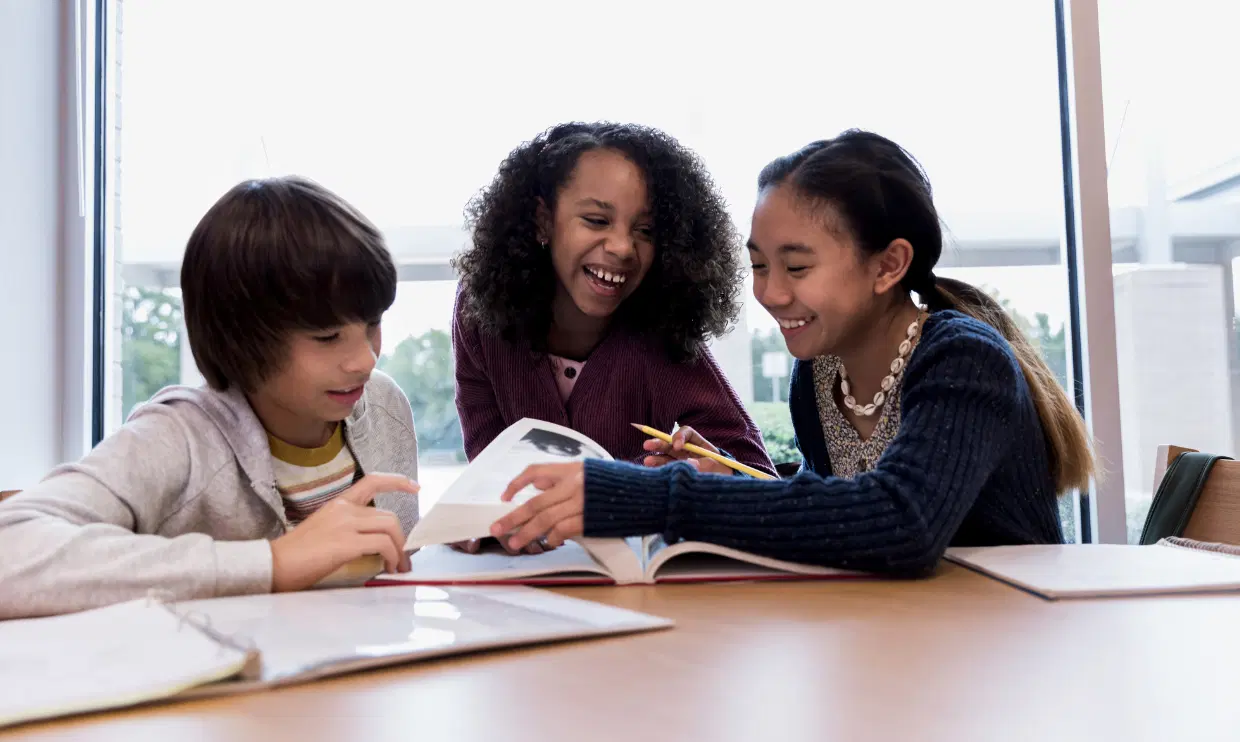

Inclusion — it’s the million-dollar word in any IEP meeting. Whether you’re thinking about the research-backed benefits or simply want your child to have a more typical school experience in a gen ed classroom, it’s what so many of us are aiming for. But here’s the truth: real, meaningful inclusion doesn’t just happen by chance. Sometimes, it takes pushing past outdated thinking and practices (cough “we don’t do that here” cough) to open the door. And even when it’s written into the IEP, without the right supports, kids can still struggle. So what do you do then? How do you make inclusion actually work? From preschoolers to high school teens, this week, we’re covering all things inclusion and inclusive IEPs.

New to inclusion?
- What inclusion really means and what it should look like for your child
- What an inclusion specialist does, and when it helps
- How to foster friendships and social opportunities for your child at school
- UDL explained: how classrooms can work for all learners
- How embedded instruction supports learning in real time
- Debunk the 5 biggest myths about inclusion with us

What inclusion looks like at any age and stage
- Meaningful inclusion in preschool and how to set the foundation early
- How inclusion works in elementary school, from academics to social support
- What inclusion can look like in middle school as demands and independence grow
- How inclusion can be supported in high school, including academics, electives, and beyond
Make inclusion work in your child’s IEP
- What to do when “inclusion” isn’t working
- 10 things to add to an IEP to support inclusive placements
- The must-ask inclusion questions for your IEP team
- Podcasts, books, & more inclusion resources for parents and IEP teams

Introducing… Dear Undivided
Got a burning question you wish someone would just answer straight? Welcome to Dear Undivided — our new parent-to-parent corner inspired by the real questions we hear from families every single day. Here’s our first question and answer:
? Dear Undivided,
My child is in general education but still struggles socially and often feels isolated or misunderstood by peers. What strategies or IEP supports actually help facilitate meaningful peer interaction rather than just physical inclusion in the classroom?
Signed,
A mom who knows there’s more
Dear Mom who knows there’s more,
You’re right — being in the classroom doesn’t automatically mean being part of it. A good place to start is looking at how your child’s IEP can actually create opportunities for interaction, not just support around it.
That might mean adding social communication goals that are practiced with same-age peers (not just adults), or even tweaking academic goals so they’re done with classmates, not in isolation. You can also ask the team to build in more natural, peer-led supports — like a classmate walking with your child between classes or partnering during activities — instead of relying only on adult support. And don’t underestimate the power of shared interests: clubs, lunchtime groups, or activities where kids connect over something they both enjoy can be where real friendships start, especially if your child has the right supports to participate.
To get inclusion supports tailored to your kiddo’s IEP, talk to an Undivided Navigator — they can help you turn these ideas into specific goals, supports, and language you can actually bring to your IEP team.
With love,
The Undivided team
Have something on your mind? Send us an email with your question. You might see it featured in an upcoming issue.

FREE live Q&A – High Expectations, Real Access: Standards-Based IEPs Done Right
Join us on Thursday, April 9, 12:00 p.m. PT for a FREE live Q&A with Education Advocate and Former Education Director Dr. Diana Fannon as we discuss how to improve access to standards-based curriculum, how to use Core Content Connectors, what kids miss out on with alternate curriculum, how to ask for more inclusion with peers, and ways to push back against schools that want to lower the bar for kids with IEPs. Register for free here→
FREE live Q&A – Getting Ready for Summer with Regional Center and the Self-Determination Program
If your child is a Regional Center client in California, summer may open the door to services like additional respite hours, social-recreation programs, camps, and individualized supports. Join us on Thursday, April 30, 12:00 p.m. PT for a FREE live conversation and Q&A with Undivided’s Public Benefits Specialist and Self-Determination Program Consultant as we talk about how families can prepare for summer now. Register for free here→
Office hours – Wednesday, March 25, 12:00 p.m. PT
If you’re a California resident, join us for office hours with Lisa Concoff Kronbeck, Undivided’s public benefits specialist, to ask your questions about Regional Center, IHSS, SSI, Medi-Cal, and other public benefits programs. If you’re not a member, sign up here to participate.
Undivided Conversations – Streaming on Facebook and YouTube
- Saturday, March 21, 10:00 a.m. PT. – How to Write Inclusive IEP Goals. Join us as we revisit this chat with Education Advocate Dr. Caitlin Solone all about crafting inclusive IEP goals for your child, including the red flags to watch for before signing your IEP.
- Sunday, March 22, 10:00 a.m. PT. – FASD 101. Fetal Alcohol Spectrum Disorder (FASD) can be complex and often misunderstood. In this conversation, our experts break down what it is, why a brain-based approach matters, and simple, practical ways to support your child.

 Why does inclusion matter for kids with disabilities? Hear Dr. Caitlin Solone tell a story about how life-changing inclusion was in gen ed for one child→
 If you feel like your child would do best in gen ed, go with your gut, even if your IEP team has doubts! Listen to education advocate Lisa Carey explain why→
 This week in our parents-only Facebook group: disability-friendly dentist recommendations, how to get your team on board to write a strengths-based IEP, troubleshooting Cigna, and more. Join the discussion→
 Help us change attitudes and misconceptions about including kids with disabilities with their peers—at school and everywhere! Share Undivided resources on LinkedIn→
Undivided Voices Podcast → Get the Summer You Want (and Deserve) from Regional Center
?️ In this episode, we break down how Regional Center can support your child’s summer — whether that’s a 1:1 aide for camp or support at home while you’re working. From social classes and swim lessons to specialized supervision and respite, we’ve got you covered. Now streaming on Spotify, Apple Podcasts, Amazon Music, and anywhere.