“Over the years, I’ve met with countless caregivers, therapists, and educators that are under the assumption that children with disabilities can’t understand relationships or aren’t able to learn complex social skills. The general feeling is that it’s just too hard to teach! On the contrary, if provided with the opportunity, the proper materials and learning environment, children with disabilities can thrive in the social world. We just need people willing to teach it.”
— Amy Machado, MA, BCBA
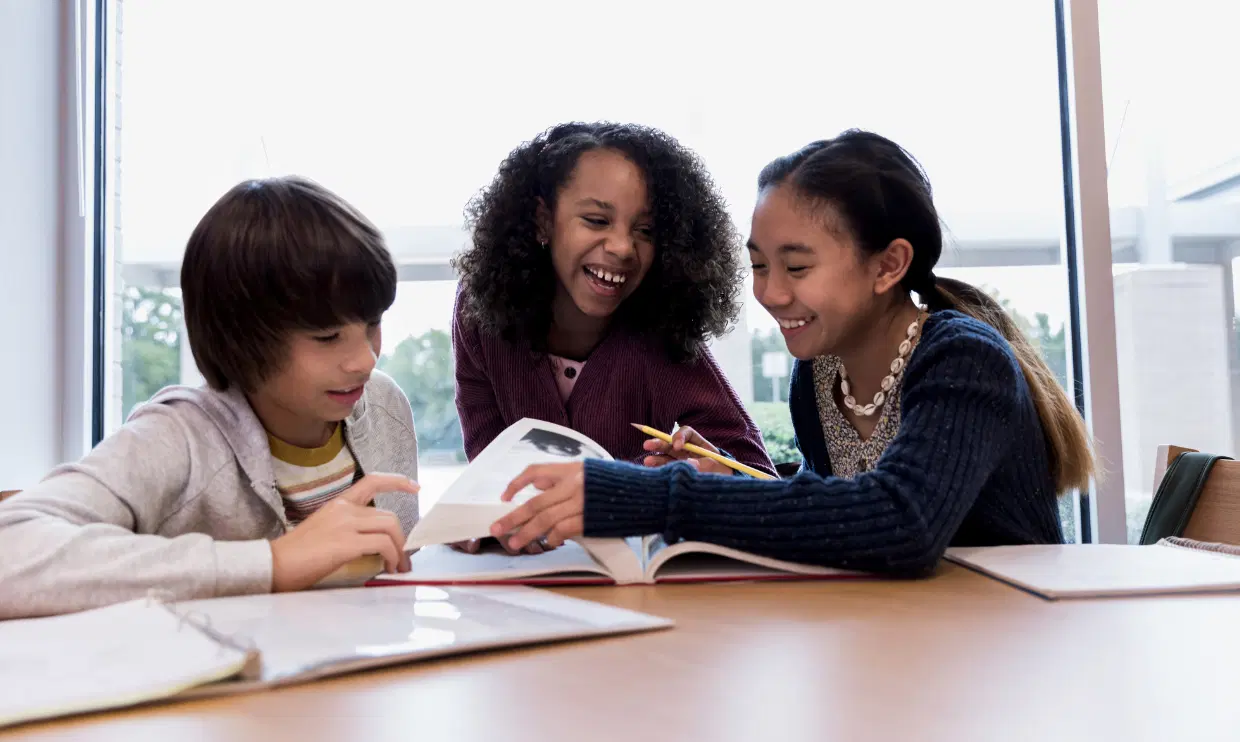
This week, we’re highlighting how to help our kids build meaningful friendships and feel included — in class, on the soccer field, in clubs, and beyond. From facilitating playdates to creating neurodiversity-affirming IEP goals and disability acceptance activities, we’re sharing strategies to support social skills, peer connections, and respectful, authentic relationships that honor who your child is.
Friendship and socialization FAQ
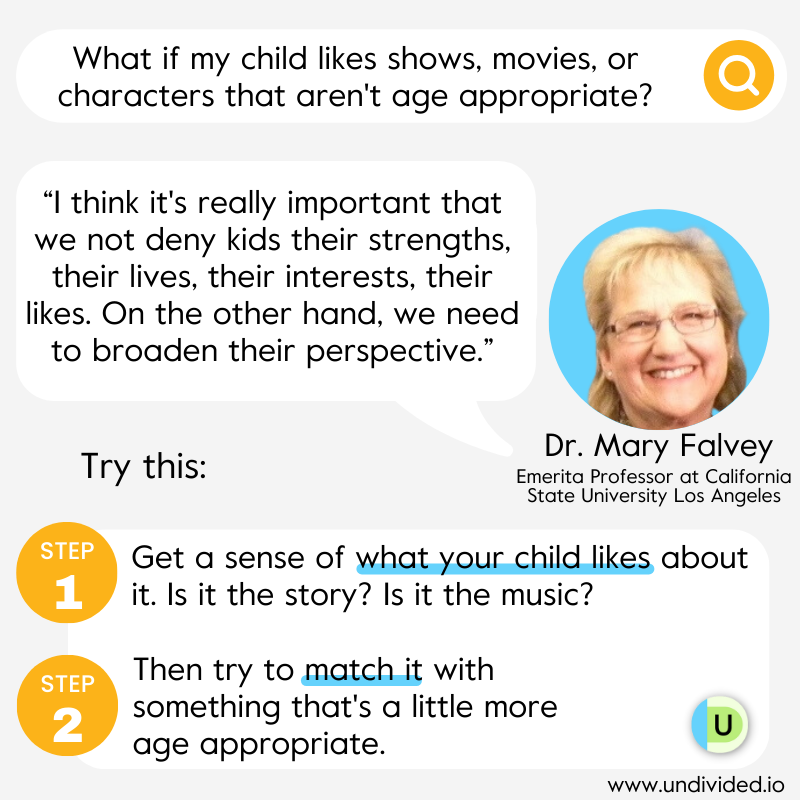
Q: How do I help my child make friends if their interests are different from other kids their age?
A. Encourage your child to join clubs or school activities that match their interests, and use simple compromises to help them connect. For example, an Elsa-loving teen could play Uno with friends with a Frozen-themed deck. More expert tips→
Q: What do IEP goals for friendship and socialization even look like?
A: IEP goals to develop kids’ social skills and foster friendships should focus on giving kids tools for positive, meaningful interactions — not on changing who they are. Read our list of sample goals→
Q: How can my child learn to set boundaries with friends (and everyone else)?
A: Role-playing real-life scenarios helps kids practice saying “no” and recognizing respectful behavior, appropriate vs inappropriate touch, and more. Find more tips→
Q: I’m worried my child will be left out of clubs or sports. What can I do?
A: Every child has a right to equal access to school-sponsored activities, including clubs, sports teams, choir, and band — with reasonable accommodations, including an aide, if needed. Learn more in our article here→
Q: How can I help my child’s friends, classmates (and school) truly embrace disability acceptance?
A: Focus on positive perceptions of disability, and if possible, spend time in the classroom to model respectful, inclusive interactions that show peers how to engage kindly with your child. Disability acceptance activities for all ages→

Q. Can the school do anything to help?!
A: Yes — but it often takes some parent advocacy to make it happen. You can encourage the IEP team to include social goals, create peer support opportunities, and build in activities that help your child connect with classmates. 10 ways schools can help kids make friends→
Meet an Undivided parent→ Watch this short video to hear directly from an Undivided parent about how she uses Undivided’s digital binder to stay organized and on top of her child’s school and provider records.

FREE virtual event: RSVP now → Back to School with Education Attorney Dina Kaplan from Vanaman German
Are you stressed about statewide district budget deficits, unknown federal cuts, staff shortages, and how our kids’ education will be affected this school year? Join us on Thursday, September 25, 12:30 p.m. – 1:30 p.m. PT for a FREE event where Education Attorney Dina Kaplan will help answer questions and help you navigate a school year where the stakes and potential barriers seem higher than ever. RSVP here→
Join us for expert office hours
If you’re an Undivided member, join us for office hours on Wednesday, September 10, 12:00 p.m. – 1:00 p.m. PT with Undivided Non-Attorney Special Education Advocate, Lisa Carey. Make sure you bring all your special education and IEP-related questions! If you’re not an Undivided member yet, get started here to join us for office hours every week.
Upcoming Undivided Conversations
Tune in to our Facebook page to watch!
- September 6 at 10:00 a.m. PT: Socialization with Dr. Mary Falvey. Curious about how your child’s school can support their socialization? Check out this re-stream with Professor Mary Falvey from California State LA. She dives into setting IEP goals, offers socialization tips, and more! Don’t miss out!
- September 7 at 10:00 a.m. PT: Consent 101. Revisit this conversation with Erika Fundelius, PhD, assistant professor at the University of British Columbia, as she breaks down how to model body autonomy, set age-appropriate boundaries, and respond when other adults don’t get it. This is a must-watch for parents, caregivers, and educators.

 If you’re feeling stress around helping your child make friends or develop in other important ways, you’re not alone! Hear this advice from family therapist Diane Simon Smith→
 Find other families for your kiddo and yourself to connect with in the Undivided community! Join the conversation in our private Facebook group→
.png) Does the Friendship Foundation have a program in your child’s school? Learn more in this YouTube video→
Does the Friendship Foundation have a program in your child’s school? Learn more in this YouTube video→
 Help more parents, teachers, and providers understand how to help our kids socialize and develop meaningful friendships. Share Undivided’s resources on LinkedIn→