
May is Mental Health Awareness Month, and if there’s one thing many parents know, it’s this: supporting our kids’ mental and emotional health can feel complicated — especially when your child has a disability. Is this a tough day? A tough season? Or something bigger? When your child processes, communicates, or expresses emotions differently, it can be hard to know what’s part of growing up, and what might be a sign they need more support.
That’s why we pulled together expert-backed resources from mental health professionals and disability advocates to help you better understand what mental health can look like in our kids — and how to support them through the ups, and the downs.

FAQs for parents: mental health edition 💬
Is my child struggling — or is this part of growing up?
Our kids are often navigating a lot at once — from extra therapies at school and feeling misunderstood by friends or family, to the everyday challenges of just growing up. Learn how mental health and disability can overlap, what signs to look for if your child may be struggling, how the diagnosis process works, and how to build a support team that truly meets their needs.
How do I even talk to my child about these difficult topics?
There are many ways to build protective factors and open up ongoing conversations with your child or teen. Books, TV shows, movies, TED Talks, and everyday moments can all help create natural openings for connection. Explore our article full of conversation starters, positive coping tools, recommended reading, and expert tips on navigating depression, anxiety, or OCD to help support your child’s emotional well-being over time.
What mental health supports can my child get at school?
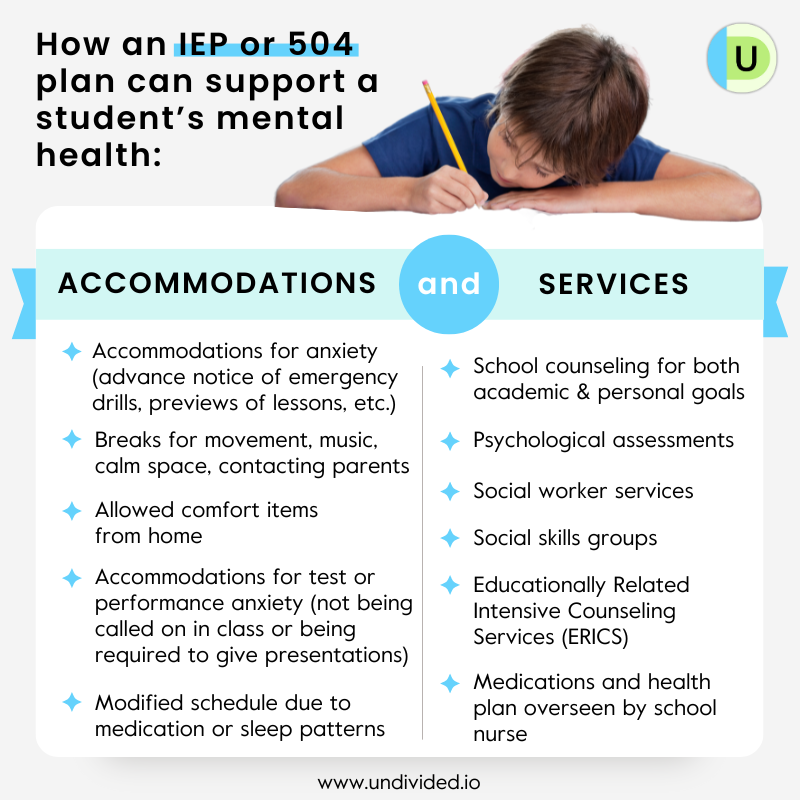
Our kids are at school most of the day, so the right mental health supports matter. Learn how those services can be included in an IEP or 504 plan, including options like Educationally Related Intensive Counseling Services (ERICS), and more.
My child needs help — how do I know what kind of treatment is right for them?
Therapy? Medication? School-based counseling? Crisis care? We break down the different treatment options, when more intensive support may be needed, and how to find evidence-based care that fits your child’s unique needs.
📩 Psst…stay tuned for a special newsletter highlighting trauma, Tourette syndrome, and OCD, coming to your inbox May 28th!
What types of conditions does emotional disability cover?
Not sure what the Emotional Disability (ED) IEP eligibility category (formerly “emotional disturbance”) actually means? Learn how eligibility works, common co-occurring conditions, how emotional disability impact students at school, and more.
What supports can we ask for in an IEP for emotional disability?
We break down what goes into building an IEP that truly supports emotional disability, including accommodations, related services, goals, and placement options.

How do we actually do self-care as a family (without adding more stress)?
Taking care of ourselves doesn’t just help us show up for our kids — it also teaches them what healthy coping and emotional regulation can look like in real life. Read our 5 expert tips to model mental wellness for neurodivergent kids.
Is your child’s IEP actually working for them? As the school year winds down, it’s a good time to make sure all their supports are in place. If you’re not sure what’s missing, Undivided can help. With our new IEP Assistant, you can upload your child’s IEP and get personalized suggestions in minutes to strengthen goals, accommodations, and supports. Check out IEP Assistant here→
Dive deeper
Event recap → FAQs about Regional Center Summer Services
Missed our live Q&A on California Regional Center summer services with Undivided’s Public Benefits Specialist and Self-Determination Program Consultant? Catch the event recap or watch the full replay video (with transcript available) where they share tips for making sure our kids and teens have access to camps, social-rec, community aides, and childcare, plus how that support looks different in a traditional Regional Center funding model versus the Self-Determination Program.
Undivided Conversations → Streaming on Facebook and YouTube
- Mental Health for Kids With Disabilities → Saturday, May 9, 10:00 a.m. PT. Prefer to listen? Press play on this important conversation with Dr. Lauren Stutman, PsyD as we unpack the mental health challenges children with disabilities may face, and what meaningful support can look like.
- Emotional Disability 101 → Sunday, May 10, 10:00 a.m. PT. Tune in to listen to our special education experts discuss all things emotional disability — from IEP eligibility and assessments to accommodations, goals, and placement.

FREE live Q&A: California Legislative and Budget Updates — May 2026
Thursday, May 21, 12:00 p.m. PT
As Medicaid and special education change at the federal level, we’re seeing the impact on California systems that our families rely on. Join us for a FREE webinar with Aaron Carruthers, Executive Director of the State Council on Developmental Disabilities, to hear about how the state’s proposed 2026-27 budget will affect services for individuals with disabilities and how we can advocate for what our kids need. Register for free here→
Office hours: California public benefits
Wednesday, May 13, 12:00 p.m. PT
Do you need help requesting summer services from Regional Center, either through traditional funding or the Self-Determination Program? Maybe you’re just curious what kind of services are possible. Join us on Zoom for office hours with Lisa Concoff Kronbeck, California public benefits specialist, and Iris Barker, independent facilitator and Self-Determination consultant. If you’re not a member, sign up here to participate→

 This week in our private group for parents: Medicaid Town Hall, tutoring, employees with disabilities in the video game industry, and more. Join the discussion on Facebook→
 How do we help our kids manage anxiety? Hear this tip from Dr. Lauren Stutman on our YouTube channel→
 Last week was International Guide Dog day! Check out the good guide dogs Navigator Jessica met at the Abilities Expo on our Instagram→
 Help us connect more families and providers with these important mental health resources! Share Undivided articles on LinkedIn→